
At a glance
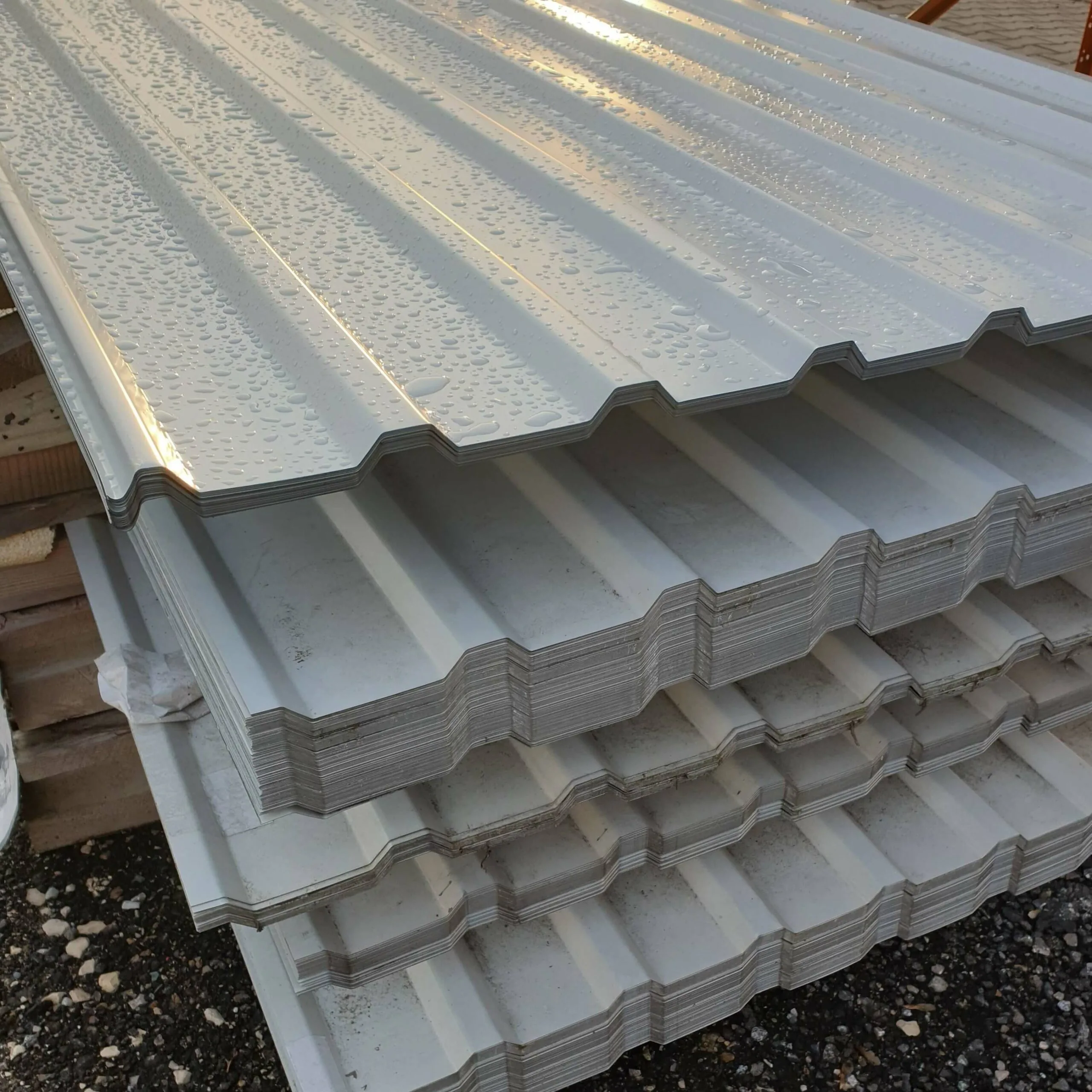
The price of trapezoidal steel sheet depends on its material, profile, thickness, coating and ordered dimensions. A useful comparison also checks the sales unit: a square metre, a linear metre and a whole sheet are different quantities. Overall width and effective cover width affect how much material a project needs. This guide explains common materials, applications and the main parts of a cost estimate without relying on old price lists. The lowest unit price alone does not establish suitability for a roof or wall. Compare the product specification, supporting structure, fixings and delivery scope together, then confirm current availability and the total price with ASPanel.
In this article
Materials and profiles
Profiled sheets are made from steel and also from aluminium. Steel sheets may have a zinc coating and an organic surface coating. The material, profile shape and coating help determine the intended use.
Options available on the wider market are not automatically part of the ASPanel range. Confirm the actual material and availability of the selected product.
Thickness is only one selection factor
Sheet thickness affects product properties and price, but it is not the only factor in load-bearing capacity. The profile, support spacing, fixings and loads also matter.
There is no single thickness threshold that makes every sheet suitable for every roof or wall. Select the product using its technical information and the requirements of the structure.
Applications
Depending on the product, trapezoidal sheets can be used for roofs on garages, outbuildings and halls, as well as wall cladding and fencing. Suitability must be checked for the particular application.
A lightweight sheet does not mean that a roof has no loads to carry. Roof and wall loads and the required fixings must be assessed as part of the structure.
Square metre, linear metre or whole sheet?
Check the sales unit before comparing prices. A price per square metre, per linear metre and per whole sheet cannot be treated as the same price.
Allow for effective cover width and overlaps when calculating quantities. Do not convert a linear-metre price into a square-metre price without the width information for that sheet. Confirm the sales unit in the current product information or quotation.
What makes up the total cost?
In addition to sheets, the total may include fixings, trims, flashings, supporting components, transport and installation. Coating choices and dimensions can also affect the price.
Any quantity discount must be confirmed in the quotation. An old example price or a general expectation of a discount is not a current sales condition.
Information for a comparable quotation
Free quotation
Give ASPanel the project details and the sheets you need. A free quotation should specify the sales unit, availability and total delivery price, so that you can compare offers on the same basis.
