Sheet Metal Flashings – Essential Protection for Your Roof
A properly constructed roof is essential for the trouble-free use of any building. The roof covering protects the interior against water and prevents damage to the building structure. For this reason, special attention should be paid to roof construction during the building process. However, even the highest-quality roofing material cannot perform its function effectively without suitable sheet metal flashings, which protect the roof at its most vulnerable points.
Sheet metal flashings are specially shaped metal components used to finish, seal and protect roofs, facades and joints between different building materials.
Their main purpose is to protect building structures against water, moisture and wind while also providing an attractive appearance.
Most Common Types of Sheet Metal Flashings
- Barge Flashings (Verge Flashings) – protect the side edges of the roof.
- Ridge Caps – provide a protective finish along the roof ridge.
- Gutter Apron Flashings – direct rainwater from the roof into the gutters.
- Fascia Flashings – protect fascia boards and roof eaves.
- Wall Flashings – seal the joints between the roof and adjoining walls.
- Corner Flashings and Cover Trims – finish joints between sandwich panels and facade elements.
- Window and Door Flashings – protect the edges of window and door openings.
Thanks to its durability and excellent formability, steel sheet metal is one of the best materials for manufacturing sheet metal flashings. In some cases, copper is used instead of conventional steel sheet metal, while aluminium and lead are used much less frequently.
Fascia Flashings and Gutter Apron Flashings
Sheet metal flashings are installed in various areas of the roof. One of the basic components is the fascia flashing.
This element is made from flat sheet metal and installed on the fascia board along the roof eaves. Its purpose is to protect the wooden board against weather conditions. Once the fascia board has been protected, roofers can install the gutter brackets and the gutter itself.
Another important flashing component associated with the gutter system, commonly used on almost every roof, is the gutter apron flashing (drip edge).
This metal element acts as an extension of the roof covering, allowing rainwater to flow directly into the gutter instead of penetrating the space between the roof and the fascia board.
The gutter apron flashing also protects the edge of the roof against wind-driven rain.
For buildings without gutters, such as garden gazebos, a larger drip edge is often used, serving the additional function of fascia protection.
This solution protects the roof structure against water and weather conditions while providing an attractive finish to the roof covering.
Barge Flashings – Protection Against Wind
Buildings with gable roofs or dormers require barge flashings, also known as verge flashings.
The type of flashing used depends largely on the roofing material, the contractor’s design and the investor’s requirements.
Ceramic and concrete roof tiles are available with special verge tiles that perform the same function as barge flashings.
However, because these special tiles are considerably more expensive than standard roof tiles, investors sometimes choose sheet metal flashings instead.
Metal barge flashings are widely used with bituminous shingles and metal roofing, including corrugated sheets, trapezoidal sheets and modular metal roof tiles.
As the name suggests, their primary purpose is to protect the roof against wind.
A properly installed barge flashing helps prevent the roof covering from being lifted or torn off during strong wind gusts.
Like other sheet metal flashings, it also helps prevent wind-driven snow and rain from penetrating beneath the roof covering.
Chimney Flashings – Protection of Critical Roof Areas
Sheet metal flashings are also widely used around chimneys, which are among the most vulnerable areas of any roof.
Proper chimney flashing seals the connection between the roofing material and the chimney structure.
A correctly installed flashing system should direct rainwater away from the chimney and prevent it from penetrating beneath the roof covering.
The upper section of chimney flashing is typically finished with a metal counterflashing strip installed in a specially prepared groove in the chimney wall.
This helps prevent water from entering behind the flashing.
Ridge Flashings
Sheet metal flashings are used less frequently on roof ridges when traditional roof tiles are installed.
Metal ridge caps are primarily used with metal roofing systems.
For tiled roofs, special sealing and ventilation tapes, usually made from aluminium or aluminium-based materials, are installed beneath the ridge tiles to help prevent wind-driven snow from entering the roof structure.
Standard or Custom-Made Sheet Metal Flashings?
A wide range of sheet metal flashings is available on the market.
Manufacturers offer ready-made components, but these often need to be adapted to the existing roof structure.
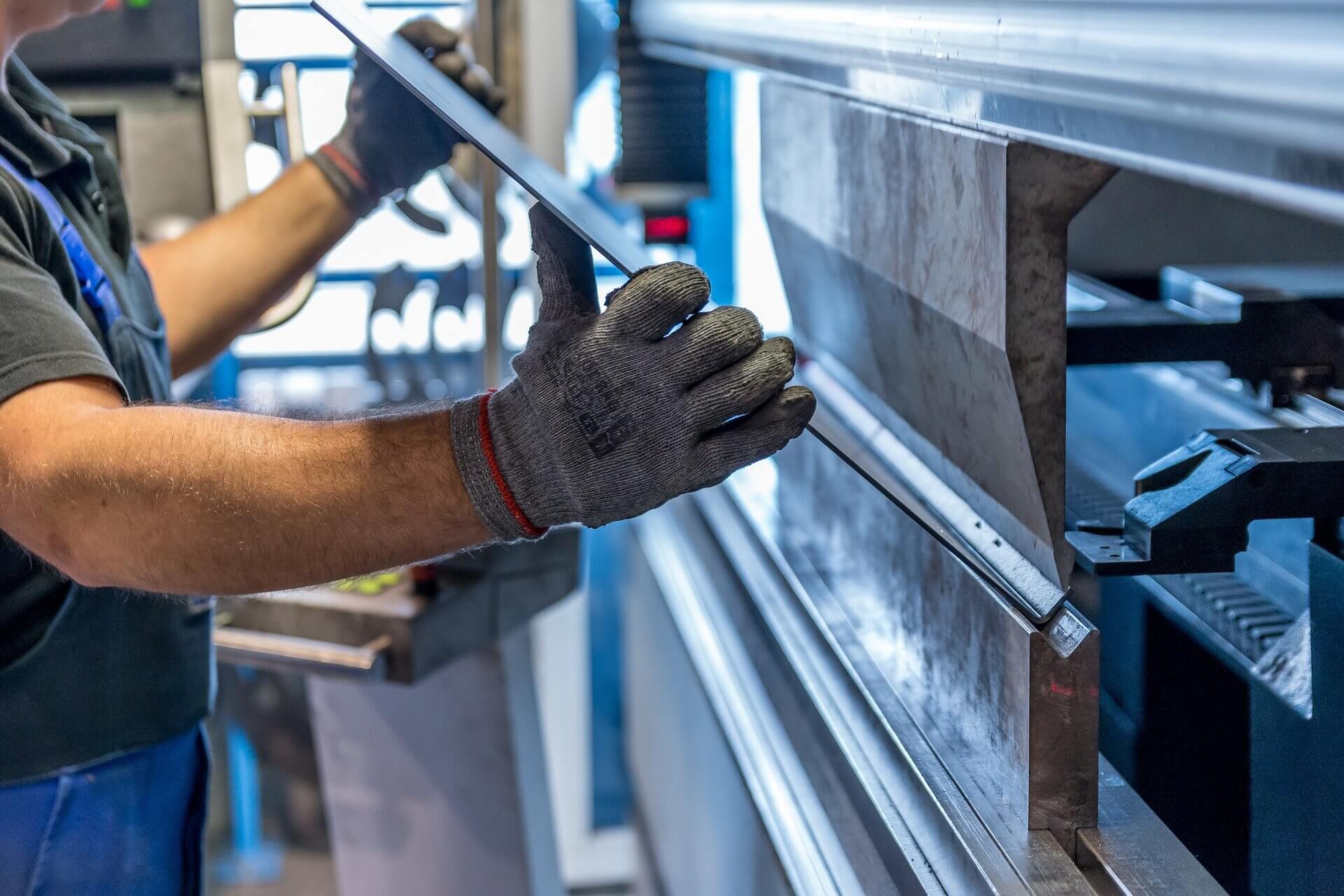
Many roofing companies and building material suppliers also offer custom-made sheet metal flashings.
The second option is often more practical because it allows customers to obtain components manufactured to the exact dimensions and specifications required for their project.
Sheet Metal Flashings Available Immediately at ASPanel
At ASPanel, sheet metal flashings are available immediately from stock.
Customers can purchase fascia flashings, gutter apron flashings, drip edges and barge flashings directly from our locations.
We also offer sheet metal flashings tailored to individual requirements, allowing customers to obtain suitable components for installation on their roofs without unnecessary delays.
ASPanel offers sheet metal flashings in a wide range of colours, making it easy to match them to roof coverings and facade elements.
Call us today to check availability, colours, dimensions and prices!