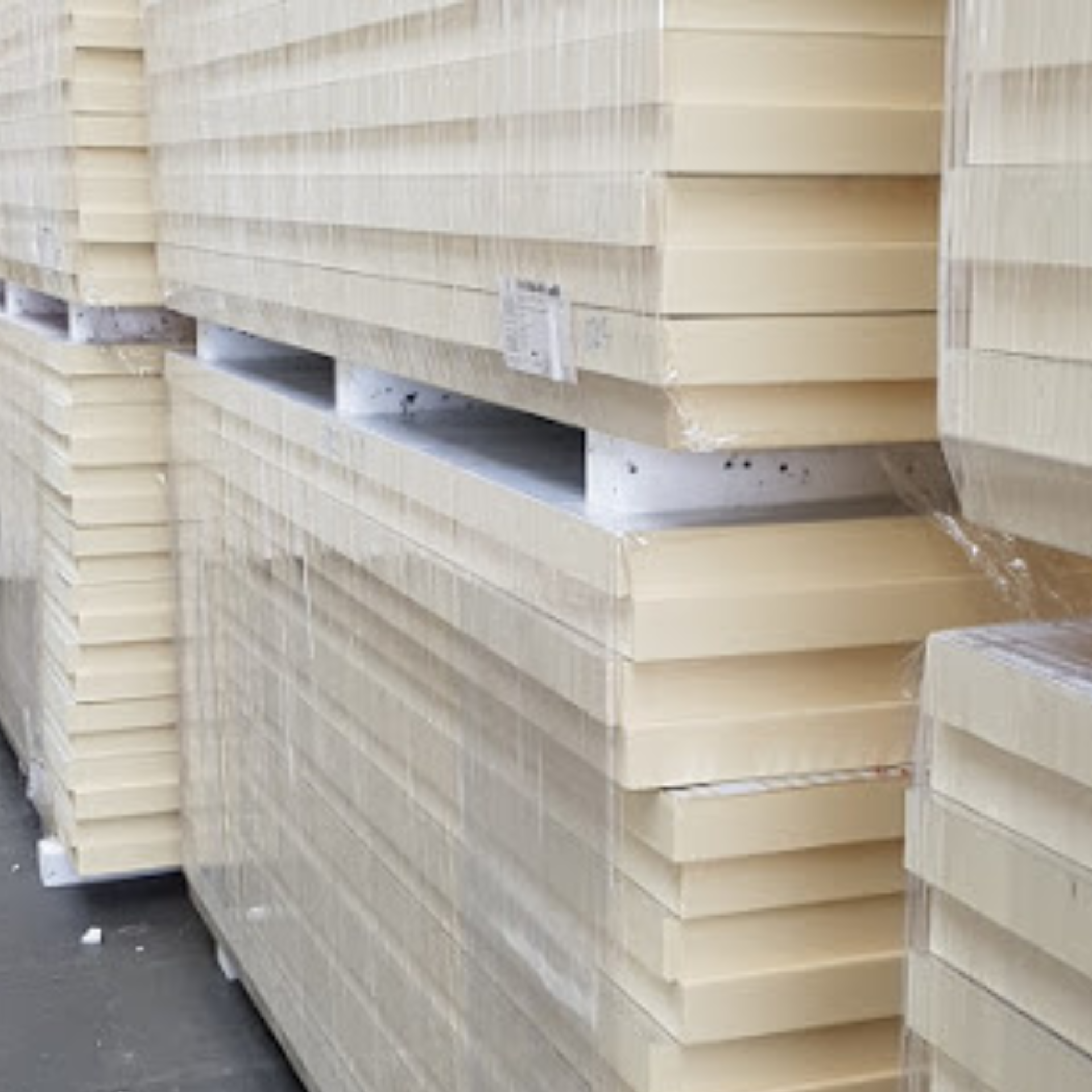

Szczegóły
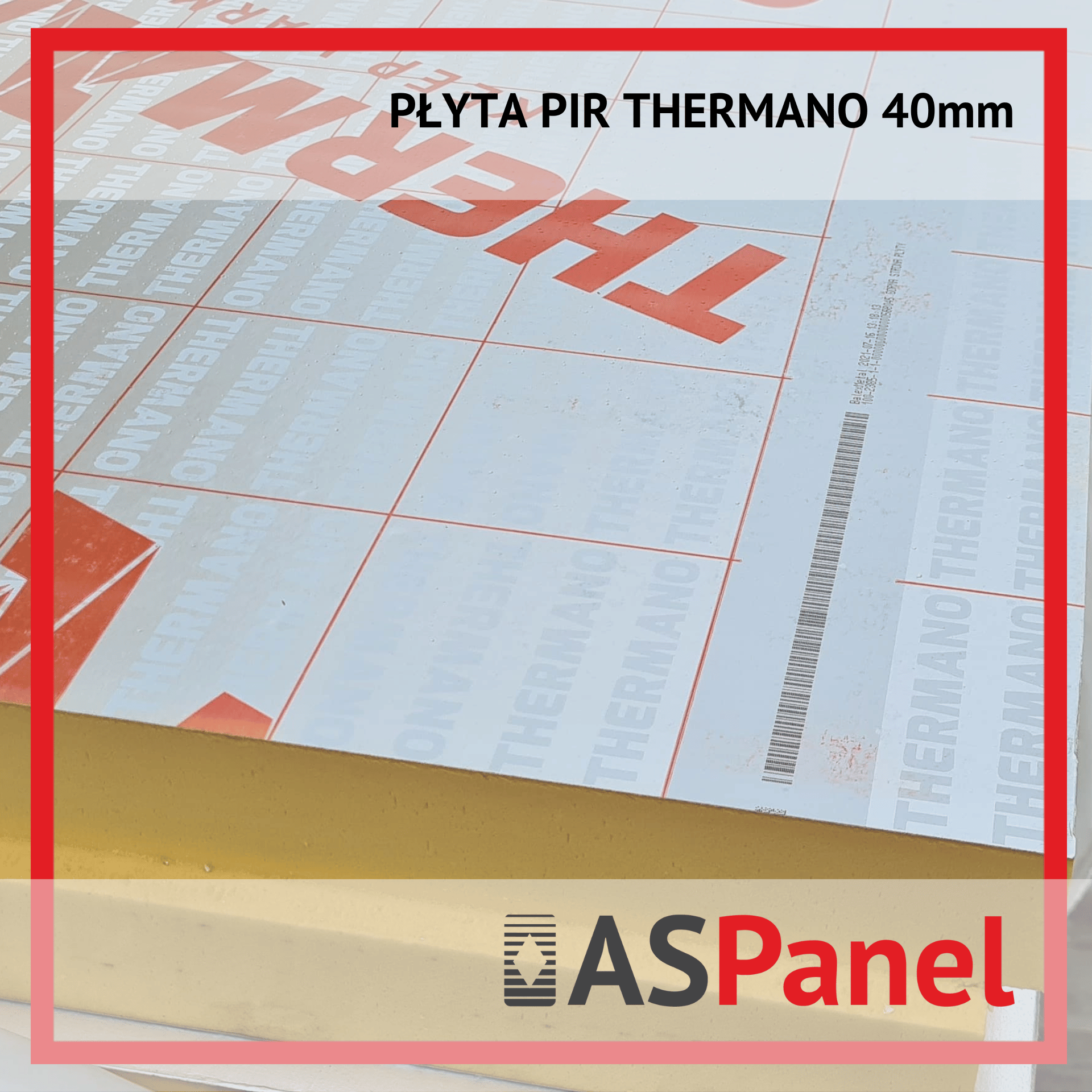
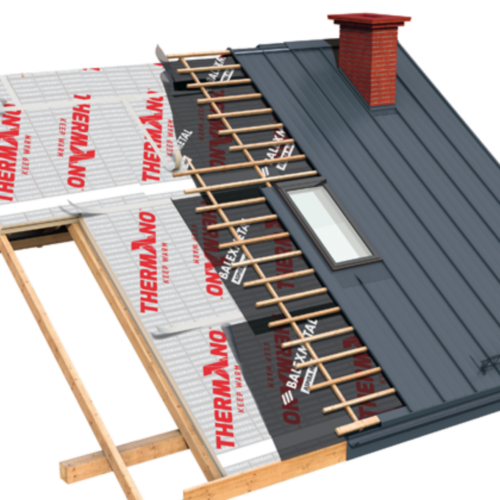
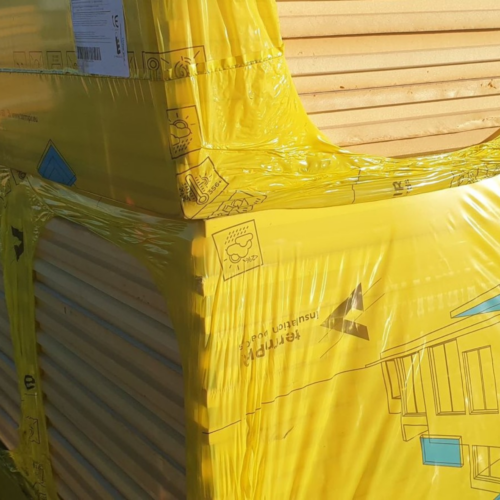
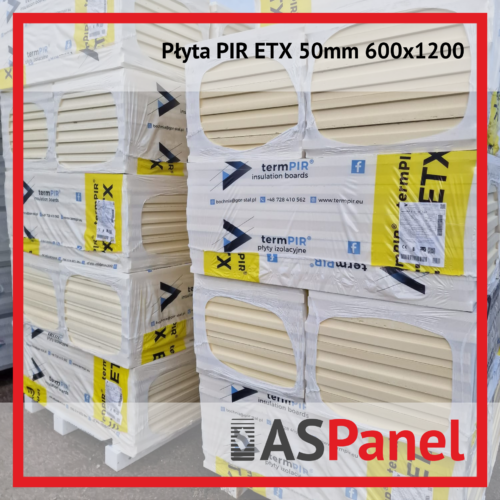
THERMANO products are among the most advanced thermal insulation boards available for industrial, residential and agricultural construction. Their excellent properties make them suitable for a wide range of applications. The high thermal performance of the insulation can contribute to energy savings of up to 40%.
The construction of THERMANO PIR boards, based on rigid PIR foam, helps reduce heat loss, making it easier and more economical to heat a building and maintain the desired indoor temperature. The versatility of THERMANO insulation is a major advantage during construction work. The boards are also lightweight, easy to install and do not require complicated installation methods.
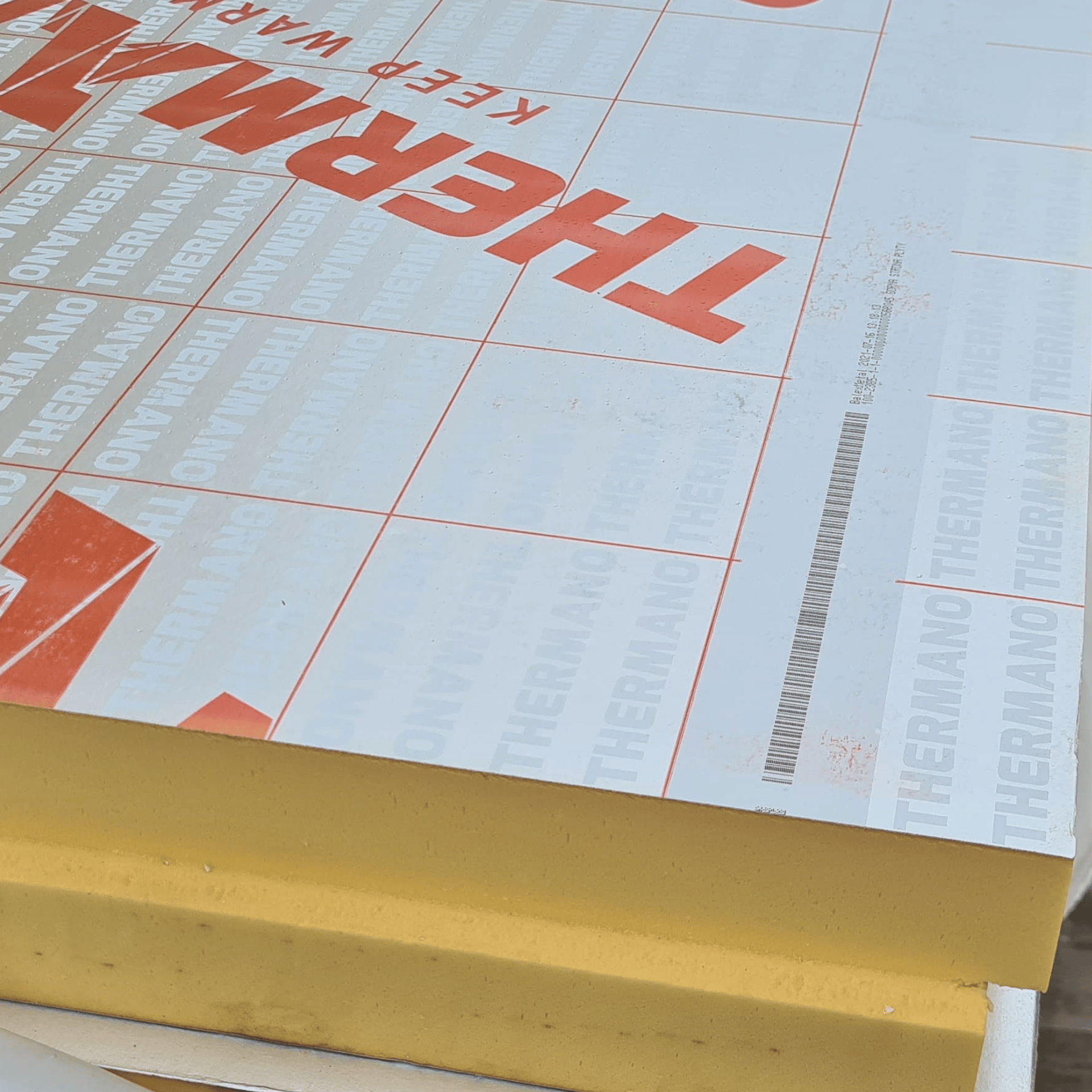
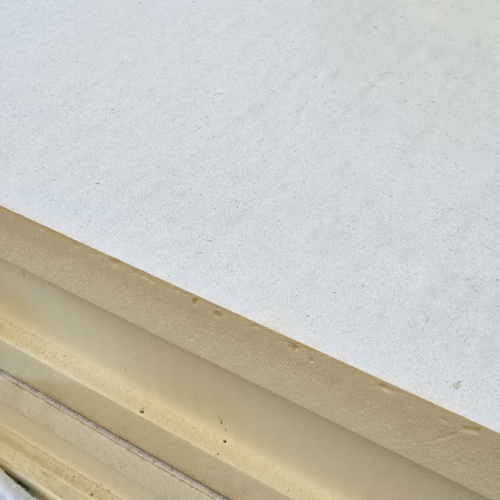
The main material used in the production process is polyisocyanurate (PIR). The PIR core is protected on both sides with a gas-tight multilayer facing consisting of polymers and aluminium foil. The high quality and gas-tightness of the facing help maintain stable thermal insulation properties over a long period of time.
The Thermano board core is produced from two main components – polyols and isocyanates – combined with modifying additives. Its closed-cell structure provides an effective barrier against water penetration and water vapour diffusion.
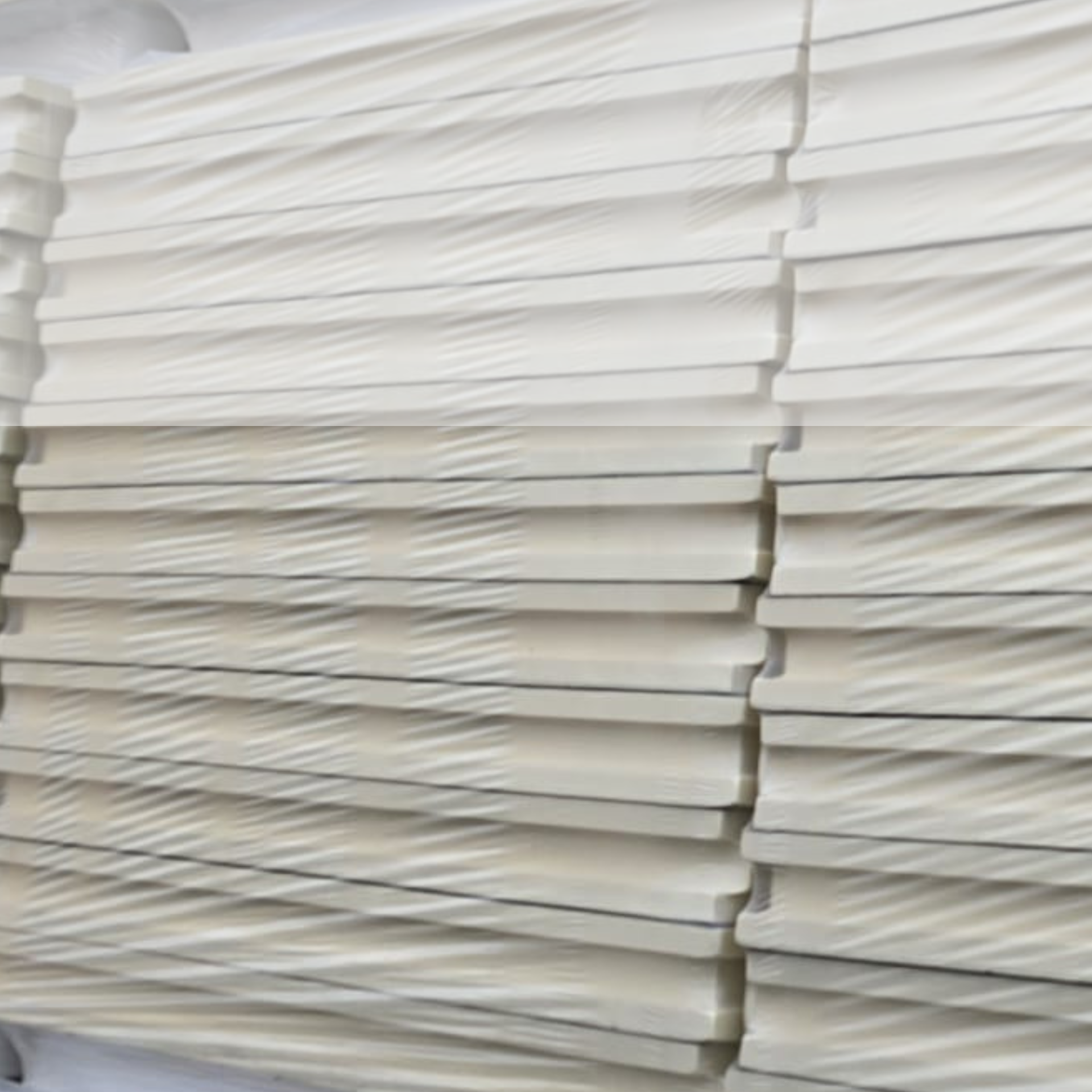
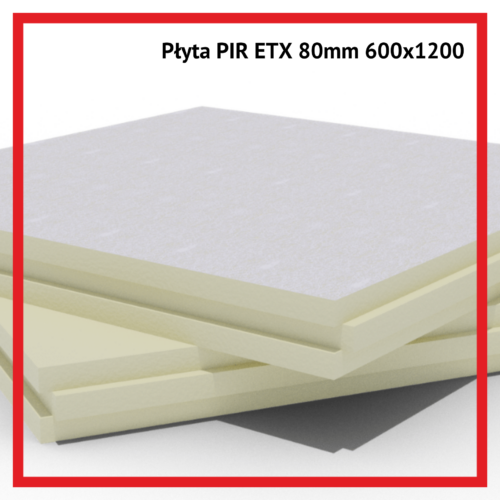
Thermano boards are available with two types of edge joints:
- BASIC joint – straight edge,
- TOP joint – rebated / stepped edge.
Main Applications of THERMANO PIR Insulation Boards
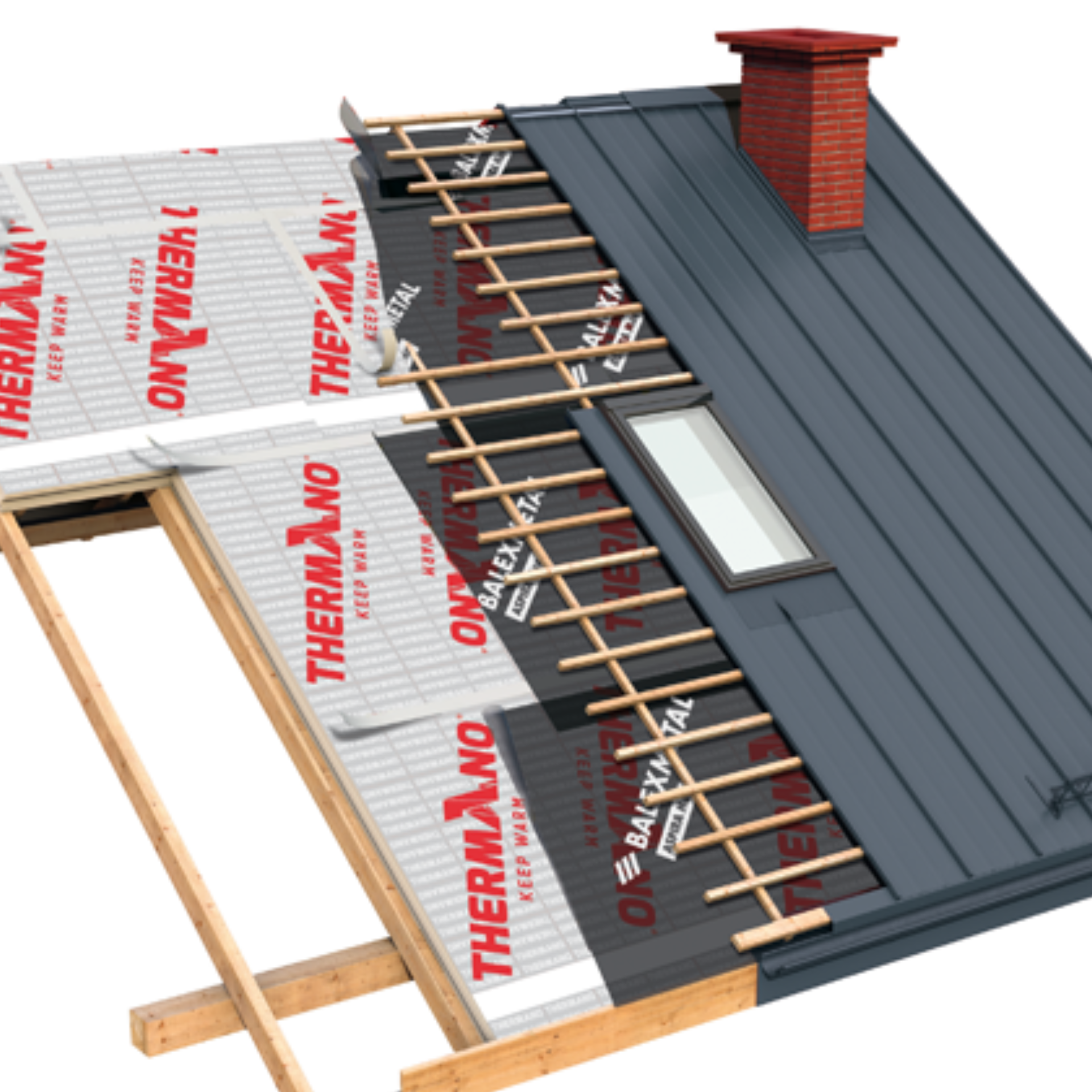
- residential construction – insulation of floors, attics, foundations and façades,
- agricultural buildings – pig houses, farm buildings and livestock facilities [THERMANO AGRO],
- commercial construction,
- industrial construction,
- new buildings as well as renovation and thermal modernisation projects.
Main Features of Thermano Boards
- High compressive strength – up to 20 t/m²,
- Long-lasting performance – the boards retain their thermal insulation properties over many years,
- Lightweight construction – the relatively low thickness and density of the material reduce the overall weight of the roof, which can help reduce the cost of the supporting structure by up to 15–20%,
- Low moisture absorption,
- Resistance to mould and fungal growth,
- Rodent resistant.
Opinie
Andrzej Mełnicki
Bardzo miłe Panie ze sklepu doradziły i pomogły nam w zrobieniu zakupów o wyliczenie potrzebnego materiału nie trzeba się martwić Panie to mają w ,,jednym palcu' szczerze polecam na pewno tu wrócimy jeżeli coś będzie potrzeba Bardzo dużo towaru dostępnego od reki
Andrzej Mełnicki
Paweł Eichstaedt
Witam,jakiś czas temu kupowałem płyte pir,i mimo że musiałem pokonać 400 km ,to absolutnie nie żałuje ,profesjonalna obsługa ,bardzo dobra komunikacja ,i rozsądne ceny . szczerze polecam -warto ,zależy im na tym żeby klient był zadowolony ,napewno jeszcze skorzystam mimo dużej odległości, pozdrawiam
Paweł Eichstaedt
Tobiasz Madon
Bardzo Polecam kupiłem blachę t7od ręki i transport jeszcze tego samego dnia za co gorąco jestem wdzieczny, bardzo uprzejma i sympatyczna obsługa pełna profesjonalizmu. Jeszce raz dziękuję i pozdrawiam i polecam każdemu ten skład😊
Tobiasz Madon
Sergiusz Koch
Bardzo fachowa i miła obsługa. Udany zakup. Napewno wrócę do tej firmy z kolejnym zamówieniem.
Sergiusz Koch
Krzysztof Wybieralski
Bezproblemowa obsługa. Wszystko tak jak chciałem zrobili. Opiekun k...Read More
Krzysztof Wybieralski
Bezproblemowa obsługa. Wszystko tak jak chciałem zrobili. Opiekun klienta Pani Patrycja przemiła osoba. Zdecydowanie polecam tym bardziej że płyta warstwowa wchodzi program termomodernizacji.
Krzysztof Wybieralski
Jacuś P.
Sympatyczna firma z pozytywnymi ludźmi. Rozładunek płyt warstwowych natychmiastowy. Wózkowy wie co robi. Wcześniej jest stacja paliw z fajnym barem i parkingiem na kilka aut na tyłach.
Jacuś P.
Sebastian Dolot
Byłem wczoraj po kilka blaszek na garaż ogromy wybór na placu kolorów grubości długości. Dziękuję panowie Andrzej i Tomasz szybko wyliczą doradzą miła atmosfera profesjonalna obsługa. Polecam serdecznie